


Delivery Software - The complete, comprehensive FAQ
If you’re looking for unbiased, accurate answers to all delivery software related questions – this is your one stop resource.
It’s not about plugging our delivery software – it’s about providing accurate, helpful information. The answers are informative, educational and unbiased.
We’ll update it regularly as new questions come in.
/* FAQ Section Container */
.faq-section {
margin: 40px 0;
padding: 20px;
background-color: #f9f9f9; /* light background for readability */
border-radius: 10px;
box-shadow: 0 4px 6px rgba(0,0,0,0.05);
}
/* Section Title (larger than h2, smaller than h1) */
.faq-section-title {
font-size: 2rem; /* adjust as needed */
font-weight: 700;
margin-bottom: 25px;
color: #222;
display: block;
}
/* Individual FAQ Item */
.faq-item {
margin-bottom: 20px;
padding-bottom: 15px;
border-bottom: 1px solid #e0e0e0;
}
/* Question Styling */
.faq-question {
font-size: 1.7rem; /* slightly larger than before */
font-weight: 600;
color: #25d366 !important; /* WhatsApp green, forced */
margin-bottom: 10px;
}
/* Ensure no color change on hover */
.faq-question:hover {
color: #25d366 !important;
cursor: default;
}
/* Answer Styling */
.faq-item p {
font-size: 1rem;
line-height: 1.6;
color: #333;
margin: 0;
}
/* Responsive */
@media (max-width: 768px) {
.faq-section-title {
font-size: 1.75rem;
}
.faq-question {
font-size: 1.5rem;
}
.faq-item p {
font-size: 0.95rem;
}
}
What is delivery software?
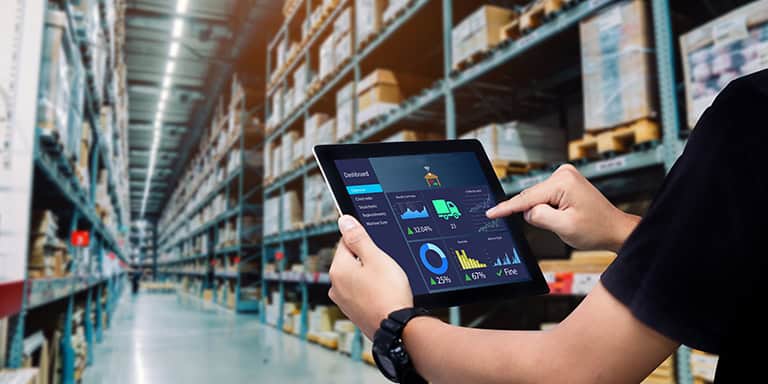
Delivery software is a platform that manages the end-to-end delivery process. It helps businesses assign orders, optimise routes, track carriers, and provide real-time customer updates. By automating logistics, delivery software reduces manual errors, cuts costs, and improves efficiency, making it vital for modern businesses handling deliveries.
/* FAQ Section Container */
.faq-section {
margin: 40px 0;
padding: 20px;
background-color: #f9f9f9; /* light background for readability */
border-radius: 10px;
box-shadow: 0 4px 6px rgba(0,0,0,0.05);
}
/* Section Title (larger than h2, smaller than h1) */
.faq-section-title {
font-size: 2rem; /* adjust as needed */
font-weight: 700;
margin-bottom: 25px;
color: #222;
display: block;
}
/* Individual FAQ Item */
.faq-item {
margin-bottom: 20px;
padding-bottom: 15px;
border-bottom: 1px solid #e0e0e0;
}
/* Question Styling */
.faq-question {
font-size: 1.7rem; /* slightly larger than before */
font-weight: 600;
color: #25d366 !important; /* WhatsApp green, forced */
margin-bottom: 10px;
}
/* Ensure no color change on hover */
.faq-question:hover {
color: #25d366 !important;
cursor: default;
}
/* Answer Styling */
.faq-item p {
font-size: 1rem;
line-height: 1.6;
color: #333;
margin: 0;
}
/* Responsive */
@media (max-width: 768px) {
.faq-section-title {
font-size: 1.75rem;
}
.faq-question {
font-size: 1.5rem;
}
.faq-item p {
font-size: 0.95rem;
}
}
Who uses delivery software?
Delivery software is used by a wide range of businesses and organisations that manage goods, parcels, or services reaching customers. Common users include e-commerce retailers, food and grocery delivery companies, courier and logistics firms, healthcare providers and even local shops offering same-day delivery. Any business that wants to streamline routes, track drivers in real time, and improve customer satisfaction can benefit from using delivery software.
Why is delivery software important for businesses today?
Delivery software is important because customers now expect fast, reliable, and transparent delivery experiences. It allows businesses to save money on fuel, reduce late deliveries, and provide accurate tracking information. Without delivery software, staying competitive in industries like eCommerce, food, and courier services is almost impossible.

2. Core Features of Delivery Software
/* FAQ Section Container */
.faq-section {
margin: 40px 0;
padding: 20px;
background-color: #f9f9f9; /* light background for readability */
border-radius: 10px;
box-shadow: 0 4px 6px rgba(0,0,0,0.05);
}
/* Section Title (larger than h2, smaller than h1) */
.faq-section-title {
font-size: 2rem; /* adjust as needed */
font-weight: 700;
margin-bottom: 25px;
color: #222;
display: block;
}
/* Individual FAQ Item */
.faq-item {
margin-bottom: 20px;
padding-bottom: 15px;
border-bottom: 1px solid #e0e0e0;
}
/* Question Styling */
.faq-question {
font-size: 1.7rem; /* slightly larger than before */
font-weight: 600;
color: #25d366 !important; /* WhatsApp green, forced */
margin-bottom: 10px;
}
/* Ensure no color change on hover */
.faq-question:hover {
color: #25d366 !important;
cursor: default;
}
/* Answer Styling */
.faq-item p {
font-size: 1rem;
line-height: 1.6;
color: #333;
margin: 0;
}
/* Responsive */
@media (max-width: 768px) {
.faq-section-title {
font-size: 1.75rem;
}
.faq-question {
font-size: 1.5rem;
}
.faq-item p {
font-size: 0.95rem;
}
}
How does delivery software improve customer communication?
Delivery software improves communication by sending automated notifications, SMS alerts, and emails to customers about order status. It also provides real-time tracking links so customers can monitor delivery progress. Clear communication builds trust, reduces missed deliveries, and improves overall customer satisfaction.
Does delivery software support delivery options?
Yes, many delivery software platforms integrate delivery options as a feature. This helps retailers provide customers with a selection of delivery options including next-day delivery, same-day delivery, PUDO (pick-up, drop off) options and more.
What analytics and reporting tools are available in delivery software?
Delivery software provides analytics and reporting tools that track delivery times, carrier performance, carrier costs, and regional performance. These insights allow businesses to identify inefficiencies, optimise operations, and make data-driven decisions. Reports also help with forecasting demand and planning resources effectively. Exception reports can help retailers identify delivery problems early to limit the impact to customers.

3. Industry Applications of Delivery Software
/* FAQ Section Container */
.faq-section {
margin: 40px 0;
padding: 20px;
background-color: #f9f9f9; /* light background for readability */
border-radius: 10px;
box-shadow: 0 4px 6px rgba(0,0,0,0.05);
}
/* Section Title (larger than h2, smaller than h1) */
.faq-section-title {
font-size: 2rem; /* adjust as needed */
font-weight: 700;
margin-bottom: 25px;
color: #222;
display: block;
}
/* Individual FAQ Item */
.faq-item {
margin-bottom: 20px;
padding-bottom: 15px;
border-bottom: 1px solid #e0e0e0;
}
/* Question Styling */
.faq-question {
font-size: 1.7rem; /* slightly larger than before */
font-weight: 600;
color: #25d366 !important; /* WhatsApp green, forced */
margin-bottom: 10px;
}
/* Ensure no color change on hover */
.faq-question:hover {
color: #25d366 !important;
cursor: default;
}
/* Answer Styling */
.faq-item p {
font-size: 1rem;
line-height: 1.6;
color: #333;
margin: 0;
}
/* Responsive */
@media (max-width: 768px) {
.faq-section-title {
font-size: 1.75rem;
}
.faq-question {
font-size: 1.5rem;
}
.faq-item p {
font-size: 0.95rem;
}
}
What is Ccommerce delivery software?
eCommerce delivery software is designed for online retailers to manage order fulfilment and shipping efficiently. It helps track packages, optimise routes, manage multiple carriers, and in some cases can keep end customers informed. This type of delivery software ensures a smooth experience from checkout to doorstep, boosting customer satisfaction and repeat sales.
How does food and grocery delivery software work?
Food and grocery delivery software manages orders from restaurants, supermarkets, or meal services. It coordinates pick-up, route optimisation, driver assignments, and delivery timing to maintain freshness and speed. Features like real-time tracking and customer notifications are critical for timely deliveries in this industry.
What does courier and logistics delivery software offer?
Courier and logistics delivery software supports businesses that handle large volumes of parcels or freight. It includes features like route optimisation, fleet management, label generation and real-time tracking. This software improves operational efficiency, reduces delays, and ensures packages are delivered reliably.
How do retail and local business delivery solutions benefit from delivery software?
Retail and local business delivery solutions use delivery software to manage last-mile deliveries, track orders, and communicate with customers. It allows small businesses to compete with larger services by improving delivery speed, accuracy, and customer experience without significant overhead.

4. Benefits of Using Delivery Software
/* FAQ Section Container */
.faq-section {
margin: 40px 0;
padding: 20px;
background-color: #f9f9f9; /* light background for readability */
border-radius: 10px;
box-shadow: 0 4px 6px rgba(0,0,0,0.05);
}
/* Section Title (larger than h2, smaller than h1) */
.faq-section-title {
font-size: 2rem; /* adjust as needed */
font-weight: 700;
margin-bottom: 25px;
color: #222;
display: block;
}
/* Individual FAQ Item */
.faq-item {
margin-bottom: 20px;
padding-bottom: 15px;
border-bottom: 1px solid #e0e0e0;
}
/* Question Styling */
.faq-question {
font-size: 1.7rem; /* slightly larger than before */
font-weight: 600;
color: #25d366 !important; /* WhatsApp green, forced */
margin-bottom: 10px;
}
/* Ensure no color change on hover */
.faq-question:hover {
color: #25d366 !important;
cursor: default;
}
/* Answer Styling */
.faq-item p {
font-size: 1rem;
line-height: 1.6;
color: #333;
margin: 0;
}
/* Responsive */
@media (max-width: 768px) {
.faq-section-title {
font-size: 1.75rem;
}
.faq-question {
font-size: 1.5rem;
}
.faq-item p {
font-size: 0.95rem;
}
}
How does delivery software improve operational efficiency?
Delivery software streamlines tasks such as order assignment, route planning, and carrier management. By automating repetitive processes and reducing manual errors, businesses can handle more deliveries in less time, improving overall operational efficiency.
Can delivery software help reduce costs?
Yes, delivery software reduces costs by optimising routes to select the cheapest carriers, reducing delivery errors, and lowering administrative overhead. Efficient carrier management also decreases maintenance costs, while automated reporting saves time on manual data entry.
How does delivery software enhance customer experience?
Delivery software enhances customer experience by providing real-time tracking, automated notifications, and accurate delivery estimates. Customers can monitor their orders, communicate easily with drivers, and enjoy more reliable deliveries, which increases trust and satisfaction.
Does delivery software support real-time tracking?
Yes, most delivery software platforms include real-time tracking features. Customers and dispatchers can see the live location of drivers and deliveries. This transparency reduces missed deliveries, allows proactive communication, and helps businesses resolve issues quickly.
Can delivery software enable data-driven decision making?
Delivery software collects data on delivery times, routes, driver performance, and customer satisfaction. Analysing this data helps managers make informed decisions about route planning, staffing, and process improvements, ensuring smarter operations over time.

5. How to Choose the Right Delivery Software
/* FAQ Section Container */
.faq-section {
margin: 40px 0;
padding: 20px;
background-color: #f9f9f9; /* light background for readability */
border-radius: 10px;
box-shadow: 0 4px 6px rgba(0,0,0,0.05);
}
/* Section Title (larger than h2, smaller than h1) */
.faq-section-title {
font-size: 2rem; /* adjust as needed */
font-weight: 700;
margin-bottom: 25px;
color: #222;
display: block;
}
/* Individual FAQ Item */
.faq-item {
margin-bottom: 20px;
padding-bottom: 15px;
border-bottom: 1px solid #e0e0e0;
}
/* Question Styling */
.faq-question {
font-size: 1.7rem; /* slightly larger than before */
font-weight: 600;
color: #25d366 !important; /* WhatsApp green, forced */
margin-bottom: 10px;
}
/* Ensure no color change on hover */
.faq-question:hover {
color: #25d366 !important;
cursor: default;
}
/* Answer Styling */
.faq-item p {
font-size: 1rem;
line-height: 1.6;
color: #333;
margin: 0;
}
/* Responsive */
@media (max-width: 768px) {
.faq-section-title {
font-size: 1.75rem;
}
.faq-question {
font-size: 1.5rem;
}
.faq-item p {
font-size: 0.95rem;
}
}
What key features should I look for in delivery software?
Look for features such as order management, route optimisation, real-time tracking, driver mobile apps, carrier management, analytics, and customer notifications. Choosing software with comprehensive functionality ensures it meets your business’s operational and customer service needs.
Is scalability and integration important for delivery software?
Yes, scalability ensures your delivery software can grow with your business. Integration with existing systems like eCommerce platforms or ERP software allows seamless data flow, avoids duplication, and improves operational efficiency.
How important is ease of use and training?
Ease of use is crucial to minimise onboarding time for drivers and staff. Intuitive interfaces, mobile-friendly design, and clear dashboards help teams adopt the software quickly, reducing errors and increasing productivity.
What should I consider about pricing?
Consider whether there will be an ROI for your business. Also, watch out for any hidden costs such as setup, training, or additional features. Choose software that provides value, aligns with your budget, and scales as your business grows. Entry-level providers can publish subscription pricing online, but mid-market and enterprise grade providers may need a discovery call to determine pricing due to custom needs of each client.
How important is security and compliance in delivery software?
Delivery software handles sensitive customer and payment data, so security is critical. Ensure the platform complies with relevant data protection regulations (e.g., GDPR) and includes features like encrypted data storage, secure access controls, and regular updates to prevent breaches.

6. Implementation & Best Practices for Delivery Software
/* FAQ Section Container */
.faq-section {
margin: 40px 0;
padding: 20px;
background-color: #f9f9f9; /* light background for readability */
border-radius: 10px;
box-shadow: 0 4px 6px rgba(0,0,0,0.05);
}
/* Section Title (larger than h2, smaller than h1) */
.faq-section-title {
font-size: 2rem; /* adjust as needed */
font-weight: 700;
margin-bottom: 25px;
color: #222;
display: block;
}
/* Individual FAQ Item */
.faq-item {
margin-bottom: 20px;
padding-bottom: 15px;
border-bottom: 1px solid #e0e0e0;
}
/* Question Styling */
.faq-question {
font-size: 1.7rem; /* slightly larger than before */
font-weight: 600;
color: #25d366 !important; /* WhatsApp green, forced */
margin-bottom: 10px;
}
/* Ensure no color change on hover */
.faq-question:hover {
color: #25d366 !important;
cursor: default;
}
/* Answer Styling */
.faq-item p {
font-size: 1rem;
line-height: 1.6;
color: #333;
margin: 0;
}
/* Responsive */
@media (max-width: 768px) {
.faq-section-title {
font-size: 1.75rem;
}
.faq-question {
font-size: 1.5rem;
}
.faq-item p {
font-size: 0.95rem;
}
}
How should I onboard my team to delivery software?
Onboarding involves introducing your team to the software, explaining workflows, and assigning roles. Often, onboarding is provided by the delivery software provider – but the thoroughness of this onboarding can vary depending on provider. Thorough onboarding should include step-by-step guidance, demonstrations, and access to user manuals or tutorials. Proper onboarding ensures all staff can use the software effectively from day one.
How do I integrate delivery software with existing systems?
Integration involves connecting the software with your eCommerce platforms, POS systems, and ERP systems. Delivery software will often integrate with other platforms via an API, and the delivery software provider should be able to provide API documentation or technical assistance as required.
How can I monitor and optimise performance using delivery software?
Use the software’s reporting and analytics features to track delivery times, carrier performance, and route efficiency. Regularly review data, identify bottlenecks, and adjust workflows or rules. Continuous monitoring ensures optimal performance and customer satisfaction.
7. Common Challenges and How Delivery Software Solves Them
/* FAQ Section Container */
.faq-section {
margin: 40px 0;
padding: 20px;
background-color: #f9f9f9; /* light background for readability */
border-radius: 10px;
box-shadow: 0 4px 6px rgba(0,0,0,0.05);
}
/* Section Title (larger than h2, smaller than h1) */
.faq-section-title {
font-size: 2rem; /* adjust as needed */
font-weight: 700;
margin-bottom: 25px;
color: #222;
display: block;
}
/* Individual FAQ Item */
.faq-item {
margin-bottom: 20px;
padding-bottom: 15px;
border-bottom: 1px solid #e0e0e0;
}
/* Question Styling */
.faq-question {
font-size: 1.7rem; /* slightly larger than before */
font-weight: 600;
color: #25d366 !important; /* WhatsApp green, forced */
margin-bottom: 10px;
}
/* Ensure no color change on hover */
.faq-question:hover {
color: #25d366 !important;
cursor: default;
}
/* Answer Styling */
.faq-item p {
font-size: 1rem;
line-height: 1.6;
color: #333;
margin: 0;
}
/* Responsive */
@media (max-width: 768px) {
.faq-section-title {
font-size: 1.75rem;
}
.faq-question {
font-size: 1.5rem;
}
.faq-item p {
font-size: 0.95rem;
}
}
Delivery software prevents delays by helping retailers optimise routes based on pre-set rules and providing visibility on carrier performance. It alerts drivers to potential issues and allows managers to reassign orders quickly, ensuring timely delivery and higher customer satisfaction.
Can delivery software improve inefficient routes?
Yes, carrier performance reports and transit time reports can provide real-time data which can help improve performance. Exception reports can alert businesses to delays so they can be fixed before they become issues.
How does delivery software enhance customer communication?
Some delivery management software providers provide post-purchase communications solutions. These provide customers with automated notifications at each stage of the delivery journey, estimated delivery dates, branded tracking timelines and branded tracking emails. Customers are kept informed throughout the delivery process, which reduces inquiries, improves transparency, and builds trust.
Can delivery software help manage multiple delivery channels?
Yes, delivery software can centralise orders from multiple channels, such as online stores, marketplaces, and physical outlets. It streamlines dispatch, tracking, and reporting, enabling businesses to efficiently manage a diverse set of delivery operations without confusion.

10. Future of Delivery Software
/* FAQ Section Container */
.faq-section {
margin: 40px 0;
padding: 20px;
background-color: #f9f9f9; /* light background for readability */
border-radius: 10px;
box-shadow: 0 4px 6px rgba(0,0,0,0.05);
}
/* Section Title (larger than h2, smaller than h1) */
.faq-section-title {
font-size: 2rem; /* adjust as needed */
font-weight: 700;
margin-bottom: 25px;
color: #222;
display: block;
}
/* Individual FAQ Item */
.faq-item {
margin-bottom: 20px;
padding-bottom: 15px;
border-bottom: 1px solid #e0e0e0;
}
/* Question Styling */
.faq-question {
font-size: 1.7rem; /* slightly larger than before */
font-weight: 600;
color: #25d366 !important; /* WhatsApp green, forced */
margin-bottom: 10px;
}
/* Ensure no color change on hover */
.faq-question:hover {
color: #25d366 !important;
cursor: default;
}
/* Answer Styling */
.faq-item p {
font-size: 1rem;
line-height: 1.6;
color: #333;
margin: 0;
}
/* Responsive */
@media (max-width: 768px) {
.faq-section-title {
font-size: 1.75rem;
}
.faq-question {
font-size: 1.5rem;
}
.faq-item p {
font-size: 0.95rem;
}
}
Autonomous vehicles and drones will require delivery software to manage new types of logistics operations, optimise air and ground routes, and integrate real-time tracking for unmanned deliveries. This technology promises faster, cheaper, and more flexible delivery solutions.
What is predictive customer experience in delivery software?
Predictive customer experience uses AI to anticipate delivery issues, suggest the best delivery times, and tailor communications. By forecasting delays or preferences, businesses can enhance satisfaction and reduce negative experiences before they occur.
How will increased automation and AI integration change delivery operations?
Over the coming years, Automation and AI will streamline order processing, route planning, and driver allocation. By reducing manual intervention, businesses can handle higher volumes, respond faster to demand, and make data-driven decisions to improve overall efficiency and profitability.
More about Delivery Software
For more about delivery management software, discover Scurri Connect – our next generation delivery management platform designed for Enterprise and Mid-Market Retailers.