





Returns Matter More Than Ever
Returns have become a major expectation in industries like fashion and electronics. The smoother the experience, the better it is for the customer.
Imagine a customer who buys a pair of shoes online that don’t quite fit. If returning them requires contacting support, printing labels, or navigating unclear instructions, the experience quickly becomes frustrating. But if the customer can generate a return label in seconds, drop the parcel at a nearby location, and receive clear updates on their refund, the process feels effortless.
A poor returns journey creates friction, frustrates shoppers, and can even put loyalty at risk. On the flip side, when the process is seamless and easy, it can actually become a reason for customers to keep coming back.
What’s Driving the Change?
• Consumer Expectations: Shoppers now expect flexibility, transparency, and speed. They want to know how, when, and where they can return products without friction.
• Industry Pressure: Fashion and electronics are highly competitive. Consumers often compare return policies before making a purchase.
• Operational Impact: Returns affect inventory, warehousing, and revenue recognition. Enterprises need visibility to plan restocks and refunds proactively.
Many Retailers Still Struggle to Manage Returns Efficiently
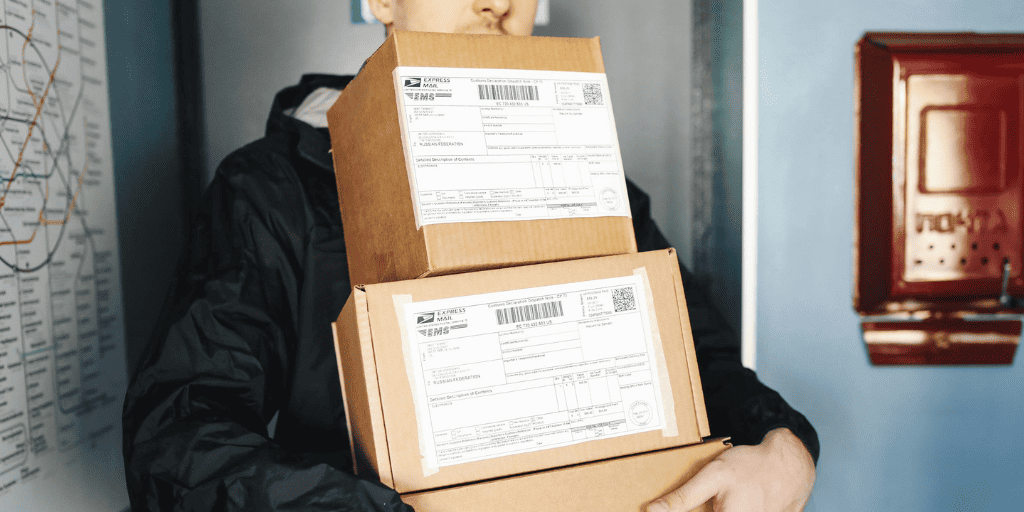
Returns might seem straightforward to customers, but managing them at enterprise scale is far more complex. Consider the earlier example of a customer returning a pair of shoes that didn’t fit. For the shopper, the process may involve simply generating a label and dropping the parcel at a nearby location, or scheduling a carrier pickup. Behind the scenes, however, the retailer must coordinate multiple systems and providers to manage deliveries, returns, warehouse intake, and refunds. Without clear visibility across these steps, warehouse planning, restocking, and refund processing often become reactive, slowing operations and delaying inventory recovery.
In many organisations, returns still rely on manual processes or customer service intervention. Customer service teams spend hours generating labels, answering “where’s my refund?” questions, and managing exceptions, which combined, adds cost and stress. Meanwhile, shoppers get frustrated with slow, unclear, or clunky returns, which can damage loyalty and make it harder to drive repeat purchase behaviour.
There’s also the sustainability angle to consider. Inefficient routing, unnecessary trips, and fragmented processes don’t just cost money, they create extra carbon emissions, affecting both retailers and consumers. A better, centralised returns process can reduce waste, streamline operations, and make the entire experience more seamless for everyone involved.
The Enterprise Opportunity

When managed effectively, returns can move from being an operational burden to a strategic capability. At Scurri, I often see enterprise retailers using the returns experience as an opportunity to improve both customer satisfaction and operational efficiency.
Some retailers focus on simplifying the process for customers, introducing self-service return portals, clear instructions, and transparent refund timelines. Others prioritise operational visibility, using returns data to anticipate inbound volumes, prepare warehouse intake, and restock products more quickly. In some cases, retailers also use returns insights to identify recurring product issues, optimise return policies, or reduce unnecessary transport movements.
A robust returns solution turns these challenges into advantages:
• Enhance Customer Experience: Shoppers enjoy self-serve options, clear tracking, and faster refunds, increasing satisfaction and loyalty.
• Gain Operational Efficiency: Centralized visibility reduces manual work for teams and speeds up warehouse restocking.
• Protect Revenue: Efficient returns processes reduce abandoned carts, lower support costs, and encourage repeat purchases.
Enterprises that treat returns as strategic rather than a necessary headache can transform a traditional pain point into a competitive advantage.
Key Takeaways
For certain segments of eCommerce, returns are no longer just an operational task, they’re a core part of business strategy. For enterprise retailers, they have become a critical part of the post-purchase experience and a meaningful lever for operational performance.
By approaching returns strategically, enterprise brands can strengthen the customer journey, improve visibility across logistics operations, and drive real business impact.
As expectations continue to rise in industries such as fashion and electronics, the retailers that treat returns as part of the overall customer experience, rather than a back-office process, will be better positioned to build loyalty and operate more efficiently.
Want to learn more? Talk to a delivery management expert today to see how a thoughtful returns strategy can make a real difference for your team and your customers.