





When delivery technology becomes business-critical, reliability stops being a feature and starts being a baseline expectation.
Working closely with delivery and returns platforms, one thing becomes clear quite quickly: these systems are rarely operating in calm conditions. They’re under constant pressure – seasonal peaks, promotional spikes, unexpected failures, often all at once. The real test isn’t whether something works on a good day, but how it behaves when conditions are less predictable.
Over time, I’ve started to think about delivery infrastructure less in terms of tools, and more in terms of principles: resilience, visibility, and controlled change. Those ideas shape how we think about Scurri Connect, and more broadly, what “best-in-class” really means in this space.
Designing for Reliability at Scale
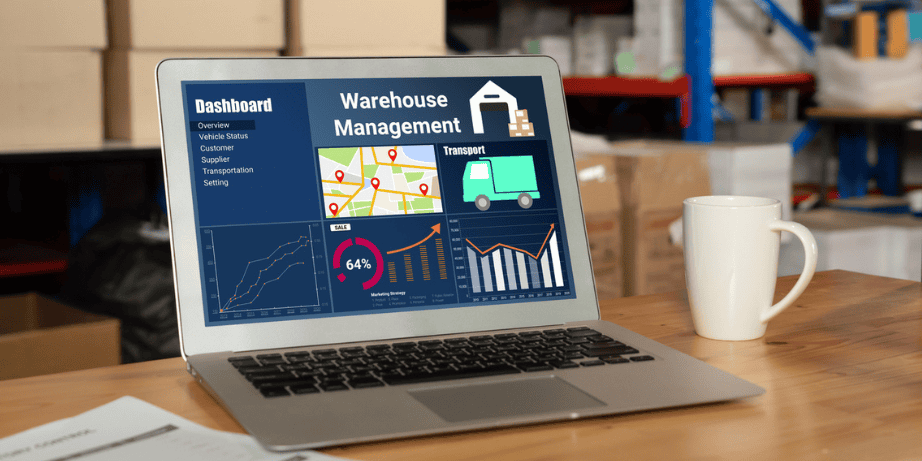
Delivery platforms have to cope with volatility by default. Traffic doesn’t grow smoothly, and demand rarely arrives when it’s convenient.
One of the clearest lessons I’ve learned is that reliability comes from assuming things will go wrong, and designing systems so they can absorb that impact. Using a multi-availability zone setup allows workloads to be distributed and failures to be isolated, rather than cascading across an entire platform. Combined with dynamic scaling, this means the system can respond to sudden increases in demand without becoming brittle.
When this works well, it’s largely invisible. But that invisibility is the outcome of deliberate architectural choices made long before anything goes wrong.
Continuous Improvement Without Disruption
Another tension in delivery technology is the need to evolve without interrupting day-to-day operations.
Enterprise systems can’t afford downtime, but they also can’t afford stagnation. One approach that’s proven effective is keeping changes small and frequent. By releasing updates incrementally, issues are easier to spot, fixes are easier to apply, and the overall risk of any single release is reduced.
What stands out to me is how unremarkable this process should feel to customers. The best outcome is often no visible outcome at all, people continue working as normal, unaware that anything has changed behind the scenes.
Controlled Change in a Complex Environment
Complex systems don’t just fail because of bugs; they fail because change isn’t well managed.
Controlled rollout mechanisms make it possible to introduce new behaviour gradually, observe it in real conditions, and reverse course quickly if something isn’t right. This creates space to learn safely, rather than pushing risk downstream to users.
It’s a reminder that stability isn’t the absence of change, it’s the result of changing carefully.
Infrastructure as a Competitive Advantage

Good delivery infrastructure rarely draws attention to itself. When it’s working, it fades into the background.
But that quiet reliability is often the difference between a system that merely functions and one that teams can trust under pressure. From what I’ve seen, best-in-class delivery infrastructure isn’t defined by having the newest technology. It’s defined by how thoughtfully it’s put together, how safely it evolves, and how quickly it recovers when things don’t go to plan.
When delivery matters, those details stop being technical and start being fundamental.
Learn more about Scurri Connect
Our delivery management platform Scurri Connect seamlessly connects all aspects of the order, shipping, and delivery process through one central platform.