


eCommerce Logistics Explained: Shipping & Fulfilment Guide
If you’re running an online store, you already know what a crucial role eCommerce logistics plays in customer satisfaction. From the moment an order is placed to the second it arrives at a customer’s doorstep, every stage of the journey matters. Get it right, and you’ll meet customer expectations, build brand loyalty, and stand out from competitors. Get it wrong, and it could cost you repeat business.
At Scurri, we help retailers streamline logistics for eCommerce, with innovative delivery management software that makes shipping and fulfilment more efficient and reliable. Read on to discover everything you need to know about how to improve your eCommerce logistics.
Read on to discover everything you need to know about how to improve your eCommerce logistics.
What trends are influencing eCommerce logistics?
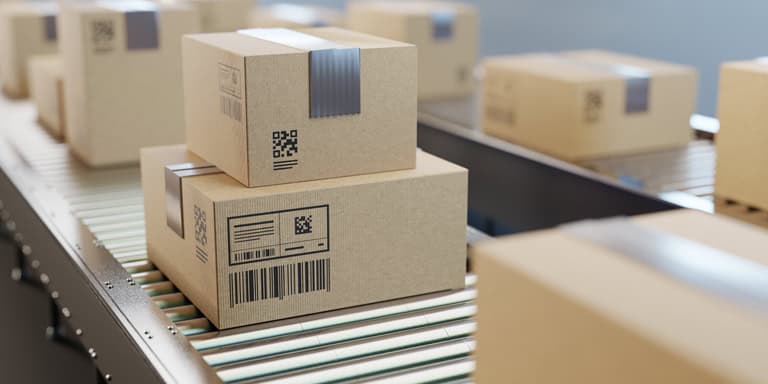
eCommerce logistics has moved well beyond the basics of pick, pack, and ship. Today, the real differentiators lie in how organisations architect their networks, balance cost-to-serve against customer promise, and build resilience into fulfilment models.
Leaders are increasingly exploring multi-node distribution strategies, dynamic carrier routing, and predictive demand shaping to reduce cycle times without inflating inventory exposure. The conversation is shifting from how to get orders out the door to how to orchestrate fulfilment across fragmented sales channels, volatile demand patterns, and heightened customer expectations.
Why is eCommerce logistics increasingly important?
- 1. Customer expectations are higher than ever: Same-day, next-day, or scheduled deliveries are increasingly becoming the standard. A slow or unreliable shipping process can quickly turn customers to your competitors.
- 2. Shipping influences purchasing decisions: Research has shown that delivery speed, cost, and flexibility all play a major role in whether customers complete checkout.
3. Loyalty is built post-purchase: A seamless fulfilment experience encourages customers to shop with you again in the future. On the flip side, a missed delivery window or lack of updates can discourage future sales.
4. Efficiency saves money: Well-managed eCommerce logistics reduces wasted resources, improves warehouse operations, and keeps shipping costs under control, saving your business money in the long run.
What are the key components of eCommerce logistics?
1. Inventory management
Keeping accurate stock records is essential. Overselling items you don’t have leads to cancellations and unhappy customers, while holding too much stock can increase storage costs. Smart inventory systems sync stock levels across sales channels in real-time, preventing costly mistakes.
2. Warehousing
Warehousing is where products are stored before they’re shipped. Some retailers run their own warehouses, while others outsource to third-party logistics (3PL) providers. Choosing the right setup depends on your order volume, product type, and business size.
3. Order fulfilment
This covers picking, packing, and preparing goods for shipment. Efficiency here ensures quick turnaround times. Many retailers now use automated systems to speed up fulfilment while reducing errors.
4. Shipping & carrier selection
Choosing reliable carriers is a critical part of eCommerce logistics. Factors to consider include delivery speed, coverage, cost, and customer service. Many retailers work with multiple carriers to offer flexibility and reduce risk.
5. Last mile delivery
The final stage – delivering the parcel to the customer – has the biggest impact on satisfaction. Delays, missed deliveries, or poor communication can undermine the whole shopping experience. Delivery management platforms like Scurri give retailers visibility and control over the crucial last mile logistics stage.
6. Returns management
Customers expect returns to be simple and convenient. A smooth returns process not only builds trust but can also encourage customers to buy again. Reverse logistics – handling goods coming back to you – is just as important as outbound delivery.
How can you optimise your eCommerce logistics?
Improving your eCommerce logistics doesn’t have to be difficult. Scurri’s delivery management software seamlessly connects all parts of the eCommerce journey to reduce costs and boost efficiency.
Flexible delivery options
One of the biggest challenges retailers face is being unable to offer flexible delivery options, which can result in a loss of customers if they anticipate their order won’t arrive when they want it to.
Scurri connects retailers with 1,400+ domestic and global carriers, automatically selecting the best delivery option based on delivery speed, cost, and reliability. This also means more options for customers, allowing them to select things like express shipping or nominated delivery slots, which makes your brand more appealing and competitive.
Find out more about the benefits of multi-carrier shipping solutions.
Carrier-approved label generation
Another issue faced by retailers is that manual label generation can be slow and inconsistent. If crucial shipping information is missing, orders can get lost or delayed, making affected customers unlikely to purchase from you again in the future.
Scurri enables retailers to instantly generate carrier-approved labels with precision and accuracy. This reduces the chances of data being incorrect or incomplete, which in turn helps to reduce costly delays and WISMO queries.
Real-time tracking
One of the biggest strains on customer service teams is “Where is my order?” (WISMO) queries. Scurri’s post-purchase tracking software provides automated notifications and transparent tracking to keep customers informed and reduce the need for them to chase updates, reducing strain and boosting loyalty.
Performance insights
eCommerce logistics are constantly evolving, with customer expectations and carrier performance changing over time. Scurri’s streamlined reporting dashboards give you visibility on your entire carrier performance in one central location, allowing you to easily identify issues, cut costs, and improve efficiency.
What does the future of eCommerce logistics look like?
The eCommerce landscape is ever-evolving, and logistics will continue to play a defining role in how customers think about and interact with your business. Some trends that are shaping the future include:
- Sustainability in shipping: Consumers increasingly expect greener delivery options, such as carbon-neutral shipping or consolidated deliveries.
- AI and automation: From predictive demand planning to automated fulfilment centres, technology is streamlining operations at scale.
- Hyper-local fulfilment: More retailers are adopting micro-warehouses in urban areas to enable same-day and even same-hour deliveries.
- Customer-centric delivery: Retailers are investing in branded tracking pages, personalised notifications, and proactive communication to boost customer loyalty.
Optimise your logistics with Scurri
eCommerce logistics is about so much more than just moving parcels from A to B. The best retailers create a delivery experience that keeps customers coming back by ensuring every part of the journey is efficient and seamless.
At Scurri, we help retailers take control of logistics for eCommerce, with a powerful delivery management platform designed to cut costs, improve efficiency, and enhance the customer experience.
Interested in learning how Scurri can streamline your shipping and fulfilment? Book a free consultation today.
Interested in learning how Scurri can streamline your shipping and fulfilment? Book a free consultation today.